Places to Visit in Bangalore: Discover the City’s Heritage, Culture and Hidden Experiences
Looking for the best places to visit in Bangalore? India’s Garden City has much more to offer than its thriving technology industry, bustling shopping districts and vibrant nightlife. Beneath its modern urban landscape lies a fascinating city shaped by centuries of history, royal patronage, traditional neighbourhoods, architectural landmarks, food cultures and artistic communities.
Whether you are visiting Bangalore for the first time, planning a weekend outing, or looking to rediscover your own city, there are plenty of places that offer something beyond conventional sightseeing. From the historic corridors of Bangalore Palace and the expansive greenery of Lalbagh Botanical Garden to the old-world neighbourhoods of Basavanagudi and Richard’s Town, the city invites you to explore its many identities.
Bangalore is best experienced at different paces. You can spend a morning exploring its heritage, an afternoon discovering its culinary traditions and an evening enjoying its contemporary art and cultural spaces. The key is to look beyond the popular attractions and discover the stories, people and traditions that make the city distinctive.
This guide brings together some of the most interesting places to visit in Bangalore, including historical landmarks, gardens, cultural spaces, neighbourhoods and immersive experiences.
1. Understanding Bangalore: A City Where History Meets Modernity
Bangalore, officially known as Bengaluru, has evolved from a historic settlement into one of India’s most prominent metropolitan cities. However, its identity extends far beyond its reputation as India’s Silicon Valley. The city has a rich history influenced by regional kingdoms, the Mysore Wadiyars, the British colonial administration and generations of communities that shaped its neighbourhoods.
A Brief History of Bangalore
The history of Bangalore is closely associated with Kempegowda I, who established a fortified settlement here in 1537. The settlement gradually developed into an important administrative and commercial centre. Over the centuries, it came under the influence of different rulers, including the Mysore Kingdom under Hyder Ali and Tipu Sultan.
The city subsequently developed under British administration, which introduced new institutions, military establishments, public infrastructure and distinctive architectural styles. The establishment of parks, educational institutions and civic buildings contributed to Bangalore’s reputation as a well-planned and relatively green city.
This historical evolution is visible across the city. Bangalore Palace reflects the architectural influences of the Mysore royal family, while Tipu Sultan’s Summer Palace offers a glimpse into the Indo-Islamic architectural traditions of the eighteenth century. Meanwhile, neighbourhoods such as Basavanagudi, Malleswaram and Shivajinagar preserve aspects of the city’s traditional social and cultural life.
What Makes Bangalore Worth Exploring?
Bangalore offers a variety of experiences for different kinds of travellers.
- Heritage and architecture: Explore royal residences, temples, colonial-era buildings and historic neighbourhoods.
- Nature and green spaces: Discover botanical gardens, urban parks, lakes and tree-lined avenues.
- Food and culinary traditions: Experience traditional Karnataka cuisine, iconic breakfast establishments, street food and evolving culinary cultures.
- Art and culture: Visit museums, galleries, theatres, craft centres and cultural institutions.
- Local communities: Discover neighbourhood traditions, traditional occupations, local markets and community-led experiences.
The most rewarding way to explore Bangalore is to combine its popular attractions with experiences that reveal the everyday life of the city.
2. Best Places to Visit in Bangalore
From architectural landmarks to cultural institutions and natural retreats, here are some of the most interesting places to include in your Bangalore itinerary.
1. Bangalore Palace
Bangalore Palace is among the city’s most recognisable historical landmarks. Built in the Tudor architectural style, the palace features fortified towers, elegant wooden interiors, elaborate carvings and expansive grounds.
Inspired by England’s Windsor Castle, the palace reflects the architectural preferences and royal heritage associated with the Wadiyar dynasty. Visitors can explore its interiors and learn about the royal family’s history while appreciating the distinctive combination of European and Indian influences.
Best for: History enthusiasts, architecture lovers and photography.
2. Lalbagh Botanical Garden
Lalbagh is one of Bangalore’s most celebrated green spaces. Spread across approximately 240 acres, this historic botanical garden is known for its diverse plant collections, landscaped gardens, ancient trees and iconic Glass House.
Originally developed under Hyder Ali and expanded during Tipu Sultan’s reign, Lalbagh is an important part of Bangalore’s horticultural heritage. Its seasonal flower shows attract visitors from across the country.
The garden is particularly enjoyable during early mornings when the walking paths and landscaped surroundings offer a refreshing escape from the city’s traffic.
Best for: Nature lovers, families, morning walks and photography.
3. Cubbon Park
Located in central Bangalore, Cubbon Park is a historic urban green space established in 1870. Officially known as Sri Chamarajendra Park, it was designed and developed during the colonial period.
The park is surrounded by significant civic and cultural landmarks, including the Karnataka High Court and Vidhana Soudha. Its shaded pathways, old trees and open spaces make it an ideal destination for anyone looking to experience a quieter side of Bangalore.
Visitors can combine a walk through the park with nearby museums and architectural landmarks.
Best for: Families, nature enthusiasts, walkers and relaxed sightseeing.
4. Tipu Sultan’s Summer Palace
Located in the heart of old Bangalore, Tipu Sultan’s Summer Palace is an important historical monument dating to 1791. Its construction was initiated by Hyder Ali and completed during the reign of Tipu Sultan.
The palace is an excellent example of Indo-Islamic architecture, featuring ornate arches, teakwood pillars, balconies and decorative interiors. It provides insights into the life and architectural preferences of Tipu Sultan, one of the most prominent rulers of the Kingdom of Mysore.
A visit here can also be combined with exploring the surrounding old-city neighbourhoods.
Best for: History enthusiasts, students and architecture lovers.
5. Bull Temple
The Bull Temple, locally known as Dodda Basavana Gudi, is one of Bangalore’s most significant religious and architectural landmarks. Located in Basavanagudi, the temple is dedicated to Nandi, the sacred bull associated with Lord Shiva.
Its most distinctive feature is the massive monolithic Nandi statue carved from granite. The temple is also associated with the annual Kadalekayi Parishe, or Groundnut Festival, which brings together farmers, vendors and visitors.
The surrounding Basavanagudi neighbourhood offers an opportunity to explore traditional markets, old homes and local food establishments.
Best for: Cultural exploration, religious heritage and local festivals.
6. Basavanagudi
Basavanagudi is among Bangalore’s most recognisable traditional neighbourhoods. Known for its temples, traditional homes, markets and food establishments, it offers a glimpse into the city’s older residential and commercial life.
Gandhi Bazaar is particularly popular for its flower markets, traditional shops and local eateries. The neighbourhood is also home to the Bull Temple and Bugle Rock Park.
A visit to Basavanagudi is best enjoyed at a relaxed pace, allowing time to explore its streets, interact with local businesses and sample traditional South Indian food.
Best for: Local culture, traditional markets, temples and food.
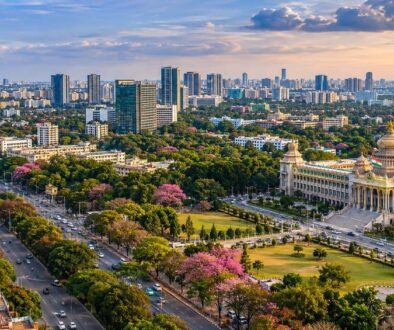
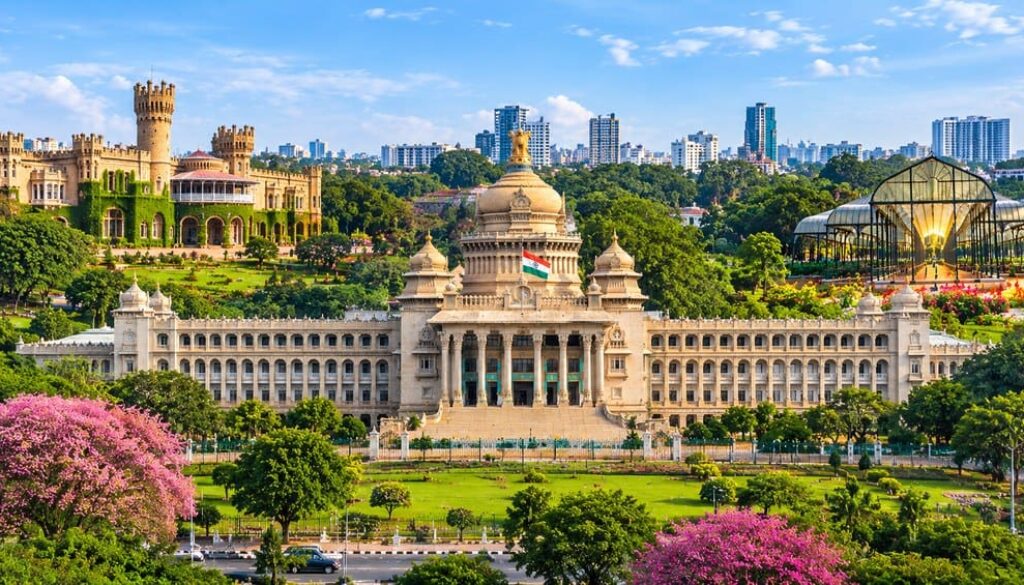
7. Vidhana Soudha
Vidhana Soudha is one of Bangalore’s most prominent architectural landmarks and houses the Karnataka State Legislature and Secretariat.
Constructed in a Neo-Dravidian architectural style, the building incorporates elements of traditional Indian architecture alongside modern construction techniques. Its imposing façade, granite structure and grand staircase make it a striking example of public architecture.
Although access to the interiors is restricted and subject to official permissions, visitors can appreciate its exterior from designated public areas.
Best for: Architecture enthusiasts and photography.
8. Richard’s Town
Richard’s Town is one of Bangalore’s distinctive heritage neighbourhoods. Located in the northern part of the city, this residential area is known for its old houses, tree-lined streets, churches and architectural character.
The neighbourhood reflects the development of Bangalore’s cantonment-era residential settlements and offers a different perspective on the city’s history.
Rather than visiting just one monument, exploring Richard’s Town is about observing the architectural details, streetscapes, community spaces and stories associated with the neighbourhood.
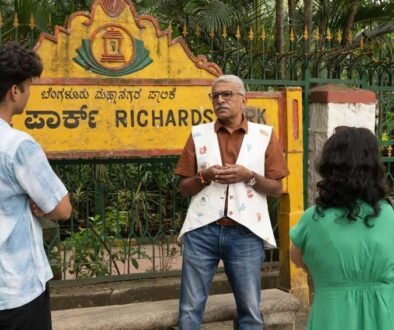
For travellers who want to experience Bangalore beyond its conventional tourist attractions, a heritage walk through Richard’s Town offers a distinctive perspective.
The neighbourhood’s historic residences, architectural details and community spaces reveal aspects of Bangalore’s development during the colonial period. Exploring it with a knowledgeable storyteller brings out the connections between architecture, local history and the communities that continue to shape the area.
A guided heritage walk can help visitors understand how the area evolved and how its residents contributed to Bangalore’s cultural identity.
Best for: Heritage walks, storytelling and discovering lesser-known neighbourhoods, Heritage enthusiasts, architecture lovers and immersive walking experiences.
9. Government Museum, Bengaluru
Established in 1865, the Government Museum in Bangalore is among the oldest museums in India. It houses collections of archaeological artefacts, sculptures, inscriptions, coins, pottery and paintings.
The museum provides an opportunity to understand the historical and artistic traditions of Karnataka and other parts of India. Its collection includes important inscriptions that offer insights into the region’s linguistic and historical development.
Located close to Cubbon Park, it can easily be included in a central Bangalore sightseeing itinerary.
Best for: History enthusiasts, students and families.
10. National Gallery of Modern Art
The National Gallery of Modern Art in Bangalore is an important destination for those interested in Indian art and contemporary creative expression.
Housed in a restored heritage mansion, the gallery displays paintings, sculptures, photographs and other forms of visual art. Its exhibitions provide an overview of the evolution of modern Indian art and the contributions of influential artists.
The combination of heritage architecture and curated art collections makes the gallery a rewarding cultural destination.
Best for: Art enthusiasts, students and cultural travellers.
11. Karnataka Chitrakala Parishath
Karnataka Chitrakala Parishath is a major centre for visual arts in Bangalore. Established in the 1960s, the institution brings together art galleries, museums, educational facilities and exhibition spaces.
Its collections include traditional Mysore paintings, folk art, contemporary artworks and works by Indian and international artists.
The institution also hosts exhibitions, art events and Chitra Santhe, a popular annual art fair that brings artists and art enthusiasts together.
Best for: Art lovers, creative professionals and students.
12. Museum of Art & Photography (MAP)
The Museum of Art & Photography, commonly known as MAP, is a contemporary cultural institution dedicated to art, photography, design and visual culture.
Its exhibitions explore Indian art and artistic traditions through different historical periods and creative disciplines. The museum offers visitors an opportunity to engage with artworks through curated displays and educational programmes.
It is an excellent addition to an itinerary for travellers interested in understanding Bangalore’s contemporary cultural landscape.
Best for: Art, photography, design and contemporary culture.
13. Bugle Rock Park
Bugle Rock Park is a fascinating natural and geological attraction located in Basavanagudi. The park is known for its enormous granite rock formations, some of which are believed to be millions of years old.
The elevated rock formations, shaded walking paths and greenery offer a peaceful environment within the city. It is also associated with the historical landscape of Bangalore’s older neighbourhoods.
Visitors can combine Bugle Rock with the Bull Temple and Gandhi Bazaar for a half-day cultural outing.
Best for: Nature enthusiasts, geology lovers and relaxed walks.
14. Church Street
Church Street is one of Bangalore’s liveliest urban destinations. Located near MG Road, the street is known for its independent bookstores, cafés, restaurants, retail spaces and vibrant public atmosphere.
It reflects the contemporary side of Bangalore, where young professionals, artists, students and visitors come together.
The street is particularly enjoyable for an evening outing, combining food, shopping and casual exploration.
Best for: Café culture, shopping, bookstores and nightlife.
15. Nandi Hills
Located outside Bangalore, Nandi Hills is a popular destination for a short getaway. The hill station is known for its panoramic views, historic fortifications, pleasant surroundings and sunrise viewpoints.
Visitors can explore the hilltop landscape, enjoy scenic drives and discover historical structures associated with the region’s past.
It is best planned as an early-morning or full-day excursion, considering travel time and access conditions.
Best for: Nature lovers, photography, scenic drives and day trips.
16. Channapatna Craft Experience
Although Channapatna is located outside Bangalore, it makes for an interesting cultural excursion for visitors interested in traditional crafts.
The town is internationally recognised for its wooden lacquerware toys and traditional craft techniques. Visitors can discover how artisans transform locally sourced wood into colourful toys and handcrafted objects.
A hands-on workshop offers an opportunity to understand the craft process, interact with artisans and appreciate the skills involved in preserving traditional livelihoods.
Best for: Families, craft enthusiasts, students and cultural travellers.
17. Ulsoor Lake
Ulsoor Lake is one of Bangalore’s well-known urban lakes. Located close to the city’s central neighbourhoods, it offers a scenic setting for a relaxed outing.
The lake and its surrounding green spaces provide a contrast to the busy commercial areas nearby. It is particularly appealing to visitors interested in experiencing Bangalore’s natural landscape and urban recreational spaces.
Best for: Relaxed outings, photography and nature enthusiasts.
18. ISKCON Temple
The ISKCON Sri Radha Krishna Temple in Rajajinagar is one of Bangalore’s prominent religious destinations. Its grand architecture, devotional atmosphere and organised visitor facilities make it a popular attraction.
Visitors can explore the temple complex, experience its spiritual environment and observe devotional activities. The temple also offers an insight into contemporary religious architecture and community-based cultural activities.
Best for: Spiritual tourism, architecture and family visits.
19. Bannerghatta Biological Park
Located on the southern outskirts of Bangalore, Bannerghatta Biological Park is a popular destination for families and wildlife enthusiasts.
The park includes a zoo, safari facilities and a butterfly park, offering opportunities to learn about wildlife and conservation. Visitors can experience different animal habitats and understand the importance of protecting biodiversity.
Plan your visit in advance, particularly if you intend to participate in safari activities.
Best for: Families, children, wildlife enthusiasts and nature education.
3. Experience Bangalore Beyond Sightseeing
Visiting popular landmarks is only one way to discover a city. Bangalore’s real character is often found in its neighbourhoods, food traditions, creative communities and everyday cultural practices.
For travellers who want to explore these dimensions, experiential activities offer a more engaging alternative to conventional sightseeing.
Explore Bangalore Through Heritage Walks
Heritage walks are an excellent way to understand the city’s evolution. Instead of simply visiting monuments, visitors explore historic neighbourhoods, observe architectural details and learn about the people and events that shaped them.
Richard’s Town, for example, offers an opportunity to understand Bangalore’s colonial-era residential history through its streets and buildings.
A well-designed heritage walk combines historical research, local knowledge and storytelling to make the experience engaging and informative.
Discover Bangalore’s Food Culture
Food is an important part of Bangalore’s cultural identity. Traditional breakfast establishments, neighbourhood eateries, local markets and contemporary culinary spaces collectively reflect the city’s diverse communities.
A food trail allows visitors to explore more than just popular restaurants. It introduces them to regional ingredients, traditional recipes, culinary practices and the stories behind local food establishments.
The Honestly Bengaluru Food Trail is one way to discover the city’s culinary character through curated food experiences and local storytelling.
Experience Traditional Crafts
Bangalore and its surrounding regions have a strong connection with traditional crafts and artisanal communities.
The Channapatna Craft Experience introduces participants to the region’s distinctive wooden toy-making tradition. Such experiences help visitors understand the relationship between craftsmanship, local livelihoods and cultural preservation.
They also provide opportunities to engage directly with artisans and appreciate the knowledge involved in traditional production.
Discover the City Through Coffee
Coffee is deeply embedded in Bangalore’s everyday culture. Traditional filter coffee establishments, independent cafés and neighbourhood coffee spaces reflect the city’s changing social landscape.
A coffee-focused experience offers an opportunity to understand how coffee became part of local routines and how cafés have evolved into important community spaces.
The key insight is that Bangalore is not simply a collection of tourist attractions. It is a city best understood through its stories, food, neighbourhoods and people.
4. How to Plan a One-Day Bangalore Itinerary
If you have only one day in Bangalore, focus on attractions that are geographically close to one another. Trying to cover the entire city in a single day can result in considerable travel time.
Here is a suggested itinerary:
| Time | Activity |
|---|---|
| 7:30 AM | Explore Lalbagh Botanical Garden |
| 9:30 AM | Honestly Bengaluru Food Trail with Make It Happen |
| Visit Basavanagudi and the Bull Temple | |
| Explore Gandhi Bazaar and enjoy local food | |
| 1:00 PM | Visit Tipu Sultan’s Summer Palace |
| 2:30 PM | Explore Bangalore Palace or a nearby museum |
| 4:o0 PM | Richard’s Town Heritage Walk |
This itinerary can be adjusted depending on your interests, traffic conditions and the opening hours of individual attractions.
For a more immersive experience, consider dedicating an entire half-day to one neighbourhood rather than rushing between multiple landmarks.
5. Frequently Asked Questions About Places to Visit in Bangalore
1. What are the best places to visit in Bangalore?
Some of the best places to visit in Bangalore include Bangalore Palace, Lalbagh Botanical Garden, Cubbon Park, Tipu Sultan’s Summer Palace, Bull Temple, Vidhana Soudha, National Gallery of Modern Art and Bangalore’s historic neighbourhoods. Each offers a different perspective on the city’s heritage, architecture, nature and culture.
2. What are the famous historical places in Bangalore?
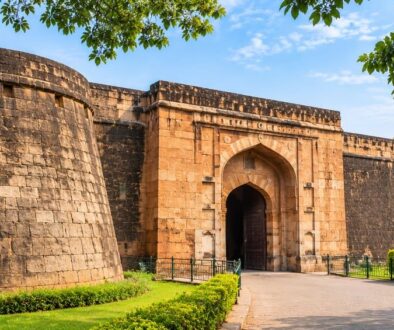
Bangalore Palace, Tipu Sultan’s Summer Palace, Bangalore Fort, Bull Temple and the Government Museum are among the city’s important historical attractions. Historic neighbourhoods such as Basavanagudi, Malleswaram and Richard’s Town are also worth exploring.
3. What can I do in Bangalore in one day?
You can explore Lalbagh, visit the Bull Temple, discover Basavanagudi’s traditional markets, visit Tipu Sultan’s Summer Palace and spend the evening around MG Road or Church Street. Alternatively, dedicate half a day to a guided heritage or food experience.
4. What are some unique things to do in Bangalore?
Some unique activities include joining a heritage walk through Richard’s Town, exploring traditional food establishments through a culinary trail, visiting art galleries, attending a theatre performance, discovering traditional crafts and participating in hands-on workshops.
5. Which places near Bangalore are good for a day trip?
Popular day-trip destinations include Nandi Hills, Channapatna, Savandurga, Shivagange and Devanahalli Fort. These destinations offer opportunities for nature excursions, heritage exploration and cultural experiences.
6. Where can I try local food in Bangalore?
Basavanagudi, Gandhi Bazaar, VV Puram Food Street, Malleswaram and Jayanagar are popular areas for exploring local food. Look for traditional South Indian breakfast establishments serving idli, dosa, vada, kesari bath and filter coffee.
7. What is the best time to visit Bangalore?
Bangalore can be visited throughout the year because of its relatively moderate climate. October to February is particularly pleasant for outdoor sightseeing. March to May can be warmer, while the monsoon season brings greenery and occasional heavy rainfall.
8. Are guided walking tours available in Bangalore?
Yes. Guided walking tours are available across Bangalore, including heritage walks, neighbourhood explorations and culinary trails. These experiences help visitors understand the city’s history, architecture, food traditions and local communities through storytelling.
9. What are the best gardens and parks to visit in Bangalore?
Lalbagh Botanical Garden and Cubbon Park are the city’s most popular green spaces. Bugle Rock Park, Sankey Tank and neighbourhood parks also offer opportunities for outdoor recreation and relaxation.
10. Which places in Bangalore are suitable for families with children?
Bannerghatta Biological Park, Lalbagh, Cubbon Park, Visvesvaraya Industrial and Technological Museum, Bangalore Palace and ISKCON Temple are suitable family destinations. Interactive museums and craft workshops can also make for engaging family outings.
11. What are the best places to visit in Bangalore for couples?
Couples can explore Lalbagh, Cubbon Park, Ulsoor Lake, Bangalore Palace and Church Street. Art galleries, independent cafés, cultural performances and guided food trails also offer interesting experiences.
12. Are there any free places to visit in Bangalore?
Yes. Cubbon Park, Bugle Rock Park and several public spaces offer free entry. Some religious sites and neighbourhood markets can also be explored without an admission fee. Check individual attraction rules and timings before visiting.
13. What are the best places to explore Bangalore’s heritage?
Basavanagudi, Richard’s Town, Malleswaram, Bangalore Fort and Tipu Sultan’s Summer Palace are excellent starting points. A guided heritage walk can provide additional context about the architecture, historical events and communities associated with these locations.
14. Where can I experience Bangalore’s art and culture?
Karnataka Chitrakala Parishath, National Gallery of Modern Art, Museum of Art & Photography, Ravindra Kalakshetra and Ranga Shankara are important cultural destinations. They offer opportunities to explore visual arts, photography, theatre and contemporary creative expression.
15. What are the best shopping places in Bangalore?
Commercial Street, Brigade Road, Church Street, Jayanagar Shopping Complex and Gandhi Bazaar are popular shopping destinations. Visitors interested in traditional products can also explore local markets and craft-focused retail spaces.
16. What are the best places to visit in Bangalore during the monsoon?
Lalbagh, Cubbon Park, Bugle Rock Park and other green spaces become particularly attractive during the monsoon. The surrounding hills, including Nandi Hills, can also offer scenic landscapes, subject to weather and road conditions.
17. Can I explore Bangalore through food walks?
Yes. Food walks are an excellent way to discover Bangalore’s culinary heritage. They typically introduce visitors to traditional eateries, local specialities, neighbourhood food cultures and the stories behind regional dishes.
18. How many days are enough to explore Bangalore?
Two to three days are suitable for exploring Bangalore’s major attractions, heritage neighbourhoods, gardens, museums and food experiences. Travellers interested in nearby destinations can consider extending their visit by another day or two.
19. What are the best places to visit in Bangalore for photography?
Bangalore Palace, Lalbagh Glass House, Cubbon Park, Vidhana Soudha, Tipu Sultan’s Summer Palace and Bugle Rock are excellent photography locations. Richard’s Town and Basavanagudi also offer interesting architectural and street photography opportunities.
20. How can I explore Bangalore beyond the popular tourist attractions?
The best way is to explore its neighbourhoods, interact with local communities, discover traditional food establishments and participate in curated cultural experiences. Heritage walks, culinary trails, craft workshops and storytelling experiences offer a deeper understanding of the city.
6. Discover the Many Stories of Bangalore with Make It Happen
Bangalore is a city that reveals something new with every neighbourhood you explore. Its historic buildings, traditional markets, culinary establishments, artistic communities and evolving urban culture offer countless opportunities for meaningful discovery.
While popular landmarks provide an excellent introduction to the city, understanding its character requires looking beyond conventional sightseeing. It involves discovering the people, traditions and stories that give each neighbourhood its identity.
At Make It Happen, we believe that travel is about experiencing a destination rather than simply visiting it. Through curated heritage walks, culinary trails, craft workshops and immersive cultural experiences, we introduce travellers to the lesser-known stories and traditions of Bangalore.
Whether you are a visitor discovering the city for the first time or a resident looking to see Bangalore differently, explore the city through experiences that bring its heritage, culture and communities closer to you.
Discover Bangalore beyond the ordinary. Explore its stories with Make It Happen.