The Bread of Goa – A Slice of Culture in Every Crumb
In Goa, bread is more than just food. It’s an emotion, a daily ritual, and a symbol of community life that goes far beyond the breakfast table. Whether you’re in a crowded market in Margao or a quiet street in Aldona, the unmistakable sound of a honking horn in the early mornings or dusky evenings often signals something warm and comforting: the arrival of the Poder, Goa’s traditional bread man.
The simple Goan bread, in all its textures and shapes, is deeply woven into the cultural and culinary fabric of the state. It’s not just an accompaniment to meals; it carries stories passed through generations, kneaded with memory and baked in history.
A Portuguese Legacy Turned Goan Identity
The story of bread in Goa starts in the 16th century with the arrival of the Portuguese, who brought not only new governance and architecture but also their methods of baking bread using leavening agents like yeast. Unlike other parts of India where flatbreads were common, this European influence permanently changed the Goan food landscape.
Over time, local communities, especially the Poder (which means baker in Konkani), adapted these foreign techniques to fit local tastes and traditions. Using locally available ingredients and clay ovens, they created unique types of bread that soon became Goan staples. What began as colonial inheritance gradually evolved into a symbol of Goan everyday life.
Know Your Loaf: Types of Goan Bread
Goa doesn’t settle for one type of bread. The variety you’ll find here is not just impressive; it serves a purpose. Each type of bread plays a role in the daily diet and often pairs with specific dishes.
Poi:
Made from whole wheat and bran, poi is prized for its slightly coarse texture and subtle nutty taste. It’s perfect for those who enjoy their curries spicy and their bread hearty. Its high fiber content makes it a popular choice for health-conscious locals.
Pao:
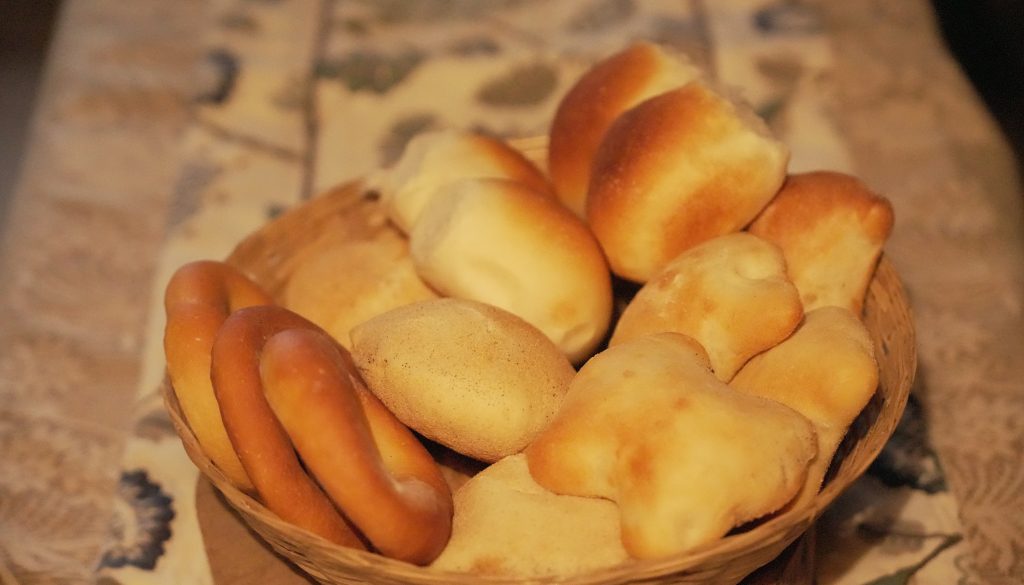
This is the most commonly eaten bread in Goa. Soft and fluffy inside with a lightly crisp crust, the pao is endlessly versatile. Whether stuffed with a cutlet, dipped in gravy, or used to mop up a tangy ambot tik, it beautifully adapts to any meal.
Katre Pao:
Translating to “scissor bread” because of the way the dough is cut before baking, this butterfly-shaped delight has a crunchier edge and a slightly denser interior. It’s loved for its shape and texture and is especially favored for street-side snacks like choris pao (Goan sausage bread).
Kankonn:
The Bangle shaped bread, also called kankonn, is a rustic, crusty round bread that is hollow inside but offers a delightful crunch. It goes perfectly with rich gravies and is often toasted or baked twice for extra crispiness.
Each of these breads has a unique texture and a specific role in Goan meals, forming bonds between generations who continue to enjoy these traditional bakes.
The Morning Melody: Poder on Wheels
Few experiences in Goa are as charming and consistent as the daily rounds of the Poder. Well before the sun rises or as it begins to set, you’ll hear the iconic sound of a tin horn echoing through sleepy streets. That’s the call of the bread man on his bicycle, carrying a large cane basket draped with cloth to keep the bread warm and fresh.
As he stops at homes along his route, he’s greeted with cloth bags and familiar faces. In many households, the Poder is as much a part of the family as the bread he brings. He knows which house prefers undo, who needs extra poi, and when to drop off a few sweets for the kids.
This daily delivery system is a tradition in itself. It’s a sustainable and community-driven model that has remained unchanged even in the age of supermarkets and food delivery apps.
Baking the Traditional Way
While the Poder delivers, the heart of Goan bread lies in the hands of the bakers and the age-old bhattis (wood-fired ovens) still used across the state. The process is labor-intensive and usually starts hours before sunrise. Dough is mixed, proofed, and then shaped into loaves, rolls, and buns before being placed into large clay ovens that generate intense heat.
The flames infuse the bread with a smoky aroma that no electric oven can replicate. There is a rhythm to this process: kneading, baking, cooling. This rhythm has been followed for generations. The knowledge of these techniques often resides within families, passed down from one baker to another.
Where to Taste and Watch the Magic
For those eager to taste this heritage—or better yet, watch it being made—many bakeries still uphold traditional practices:
Saligao and Loutolim: Villages that house some of the oldest family-run bakeries, where locals still bake using old methods.
Majorda and Aldona: Known for their wood-fired ovens and tight-knit baking communities.
Jacob Bakery in St. Cruz: A popular name that offers a variety of traditional bakes.
Old Goa and Panjim: Bustling with small shops where you can pick up fresh pao and poi in the morning.
Mapusa and Margao markets: Great places to experience local life and buy freshly delivered bread while observing the Poders go about their rounds.
Many of these bakeries welcome visitors warmly, and some even let you observe the process or try your hand at shaping the dough.
Beyond the Bread
The story of Goan bread goes beyond baking. It’s a tale of adaptation, resilience, and shared identity. From being part of religious rituals and community celebrations to becoming a daily staple for every Goan household, bread has quietly witnessed the evolution of Goan society.
It’s also a story of survival. With modern bakeries and packaged loaves taking over the market, the traditional Poder model faces challenges. But there’s hope. There’s a growing interest among travelers, culinary enthusiasts, and locals who recognize the importance of preserving this slice of Goan culture.
A taste of Goa’s Culinary Soul
Biting into a fresh pao in Goa means tasting history, heritage, and heart. It connects you to the land and the people who rise before dawn. It introduces you to a place where the past and present continue to coexist deliciously.
So the next time you’re in Goa, don’t just stop at beach shacks and seafood curries. Wake up early, step outside, and listen for that soft honk down the lane. Follow it. It leads not only to warm bread but to the warm soul of Goa.
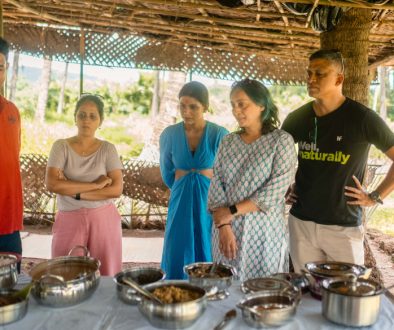
Join the Goan Bread Making experience by Make It Happen and discover stories like these—because in Goa, every bite has a tale.